
PRP for Rotator Cuff Tears:
When It Works — and When It Doesn’t
Not All Rotator Cuff Tears Need Surgery
Shoulder pain can be frustrating — especially when rehab seems to stall. But here’s the good news: not all rotator cuff tears require surgery, and many respond well to platelet-rich plasma (PRP) therapy.
At Physician Coach in Tacoma, we evaluate each shoulder using ultrasound imaging to understand the tendon’s integrity, inflammation, and healing potential. PRP isn’t for every tear — but for the right patient, it can restore shoulder function and reduce pain without surgery.
Learn more
When PRP Works Best for Rotator Cuff Tears
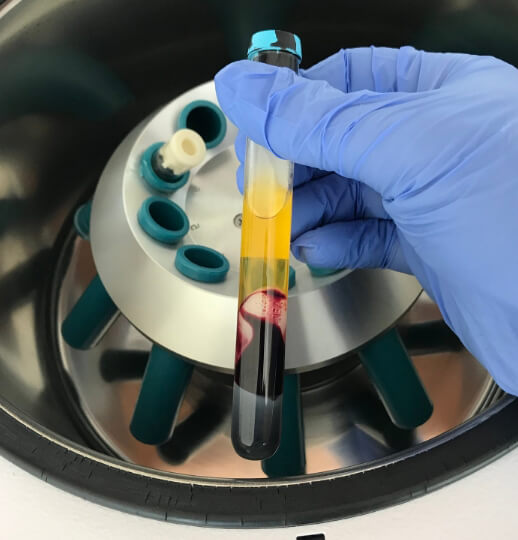
PRP works by concentrating your own platelets — full of growth factors — and injecting them directly into the injured tendon to stimulate repair. Here’s who benefits most 👇
Partial-Thickness Tears — The Sweet Spot
PRP excels when the tendon is damaged but still connected.
Stimulates new collagen formation.
Improves tendon quality and elasticity.
Reduces pain and improves strength when paired with a progressive loading program.
Degenerative or Chronic Tendinosis
Over time, repetitive use weakens the tendon. PRP can “restart” the healing process.
Ideal for long-term pain that hasn’t responded to physical therapy.
Helps restore tendon structure and reduce fraying.
Articular- or Bursal-Sided Partial Tears
These tears often respond extremely well. The tendon is damaged, not detached — the perfect environment for PRP to stimulate regeneration.
Recognizing PRP-Friendly Symptoms
You might be a strong PRP candidate if you’re experiencing:
Pain with overhead movements or rotation
Shoulder weakness or fatigue when lifting
Night pain disrupting sleep
Persistent pain despite physical therapy
Pain that isn’t rapidly worsening or completely debilitating
When PRP Is Not the Right Choice
PRP isn’t a fix-all. For full-thickness tears or severe structural damage, surgery may still be the right path. Avoid PRP if you have:
Full-thickness rotator cuff tear
Significant tendon retraction
Advanced muscle atrophy seen on MRI
Acute traumatic rupture
These cases often require surgical evaluation, as there’s not enough viable tendon left for PRP to repair.
PRP Works Best When the Tendon Is Injured… Not Missing
The key difference between surgical and PRP candidates comes down to one concept: the tendon must still be repairable.
At our Tacoma clinic, we perform ultrasound-guided PRP injections to ensure precise placement into the affected tendon fibers. Combined with a progressive strength and mobility plan, this method can:
Reduce pain
Improve shoulder strength and endurance
Speed recovery
Prevent recurrence
Why Tacoma Patients Trust Physician Coach for Shoulder PRP
We combine medical imaging, rehab science, and movement coaching to guide every step of recovery. Whether you’re a lifter, Endurance athlete, or weekend warrior, our goal is to help your shoulder move pain-free again.
📍 Located at 1120 Martin Luther King Jr Way, Tacoma, WA 98405
Book PRP in Tacoma
Bottom Line
PRP works best when the tendon is injured — not missing. For partial or degenerative tears, it can dramatically improve pain, strength, and healing when combined with ultrasound-guided precision and progressive rehab.
If your shoulder just won’t get better, it’s time to take a look under ultrasound and build the right plan for your tendon.
💉 Ready to explore PRP for your shoulder in Tacoma?
Book your consultation today.
