
Platelet-Rich Plasma (PRP) Injection
PRP Injections in Tacoma
Ultrasound-Guided Platelet-Rich-Plasma Therapy by a Fellowship-Trained Physician. Natural, non-surgical treatment for joint pain, arthritis, and tendon injuries.
Why Choose PRP in Tacoma for injury Recovery?
PRP (Platelet-Rich-Plasma) uses your body’s own concentrated platelets to support tissue healing, reduce pain, and improve function — without surgery or long recovery times.
At Physician Coach, every PRP treatment is performed with real-time ultrasound guidance for maximum accuracy.
The Process
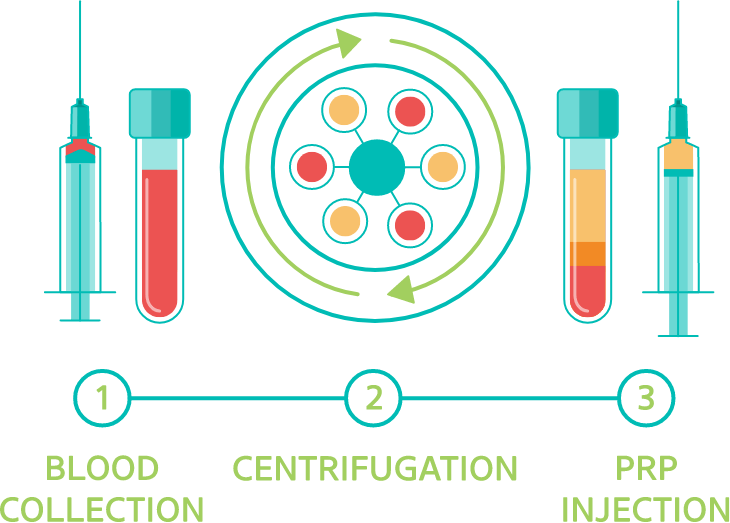
What we treat with prp
- Knee Osteoarthritis
- Meniscus Injuries
- Rotator Cuff Tendinopathy and Tears
- Shoulder Impingement
- Tennis Elbow
- Achilles Tendinopathy
- Plantar Fasciitis
- Hip/Gluteal Tendinopathy
- Running & Sports Injuries
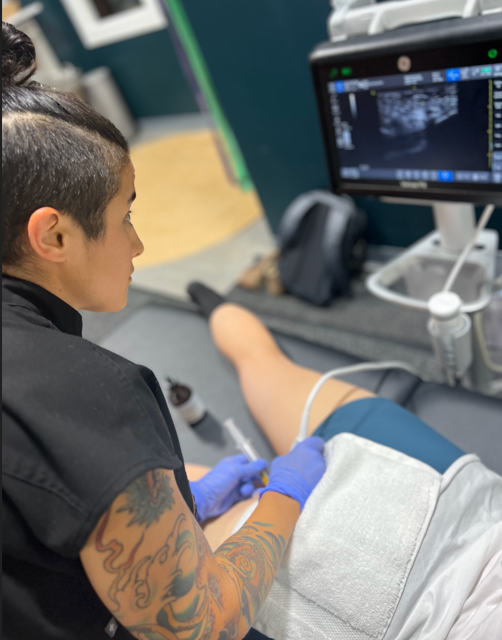
What to expect with PRP Injections
Comprehensive Approach
Step 1: Consultation & Diagnostic Ultrasound
We evaluate your injury, movement mechanics, and ultrasound findings to determine if PRP is appropriate.
Step 2: Personalized PRP Plan
We use state-of-the-art equipment and high-concentration PRP customized for your injury.
Step 3: Ultrasound-Guided Injection
Real-time guidance ensures precision targeting for tendon, ligament, and joint spaces.
Step 4: Follow-Up & Rehab Guidance
We integrate strength therapy, load progression, and recovery coaching.
Is PRP Therapy Safe?
PRP therapy is generally considered safe because it uses the patient’s own blood, minimizing the risk of allergic reactions or infections. Side effects are typically mild and may include temporary pain at the injection site or swelling.
What to Expect During and After the Procedure
The PRP injection procedure is minimally invasive. After the treatment, patients may experience mild discomfort or swelling, which usually resolves within a few days. For PRP to be effective it must be combined with a structured rehabilitation and strengthening program to achieve the full benefits of the procedure. Typically, 1-3 treatments per month may be needed to achieve full healing potential.
PRP Injections:
If you are searching for “PRP injection in Tacoma,” our clinic provides physician-led, ultrasound-guided PRP therapy for knee pain, rotator cuff injuries, tendon pain, and athletic injuries. Located near downtown Tacoma, we serve patients from University Place, Fircrest, Lakewood, Puyallup, Gig harbor, and the greater Pierce County region.
Our approach combines diagnostic ultrasound, hihg-concentrated PRP, and individualized rehab protocols, offering a non-surgical option for people wanting to stay active, avoid prolonged downtime, and accelerate their recovery.
Testimonials
Frequently Asked Questions
What is PRP (Platelet-Rich Plasma)?
Platelet-Rich Plasma (PRP) is created by drawing a small sample of your own blood and concentrating the platelets. These platelets contain growth factors and signaling proteins that support the body’s natural healing response. PRP is commonly used to treat chronic tendon injuries, certain ligament injuries, and some joint conditions.
How does PRP work?
PRP is designed to stimulate the body’s natural healing processes rather than simply masking pain. After the concentrated platelets are injected into the injured tissue under ultrasound guidance, they release growth factors that help support tissue repair and remodeling over time.
What conditions do you commonly treat with PRP?
PRP may be appropriate for a variety of musculoskeletal conditions, including:
Rotator cuff tendinopathy and partial tears
Gluteus medius and minimus tendinopathy
Proximal hamstring tendinopathy
Tennis elbow (lateral epicondylopathy)
Golfer’s elbow (medial epicondylopathy)
Patellar tendinopathy (jumper’s knee)
Quadriceps tendinopathy
Achilles tendinopathy
Plantar fasciopathy
Mild to moderate osteoarthritis
Selected labral-related hip pain
The best candidates are determined after a physician evaluation and diagnostic ultrasound.
Do I need an ultrasound before PRP?
Yes. At Physician Coach, we believe PRP should be guided by an accurate diagnosis.
Diagnostic ultrasound allows us to identify the exact tissue involved, assess the severity of the injury, and determine whether PRP is the most appropriate treatment. In many cases, ultrasound also identifies conditions that may respond better to a different treatment approach.
Why is ultrasound guidance important for PRP injections?
Ultrasound guidance allows us to visualize the injured tissue in real time and place the PRP precisely where it is needed.
This improves accuracy, helps avoid nearby nerves and blood vessels, and ensures treatment is directed at the area of pathology rather than relying on anatomical landmarks alone.
Is PRP painful?
Most patients experience temporary discomfort during and after the injection. The amount of soreness depends on the area being treated and the severity of the underlying injury.
It is common to experience increased soreness for several days before gradual improvement begins.
How long does PRP take to work?
PRP works by supporting the body’s natural healing response, so improvement is usually gradual rather than immediate.
Many patients begin noticing changes over several weeks, while tissue remodeling and continued improvement may occur over several months.
Recovery timelines vary depending on the condition being treated.
How many PRP injections will I need?
Many patients improve after a single PRP treatment, while others may benefit from additional injections depending on:
The severity of the injury
How long symptoms have been present
Your activity goals
Your response to the initial treatment
Recommendations are individualized after your evaluation and follow-up.
Is PRP covered by insurance?
Most insurance plans do not cover PRP because it is considered an elective treatment. We recommend checking with your insurance provider if you have questions about coverage.
Will I need physical therapy after PRP?
Often, yes.
PRP works best when combined with an appropriate rehabilitation program. As healing progresses, loading the tissue appropriately is an important part of recovery.
We’ll provide guidance on returning to exercise and, when appropriate, coordinate with your physical therapist or coach.
Can I exercise after a PRP injection?
Activity recommendations depend on the tissue being treated.
Most patients begin with a period of relative protection followed by a gradual return to strengthening and sport-specific activity. Your recovery plan will be tailored to your injury and training goals.
Is PRP better than a cortisone injection?
PRP and corticosteroid injections serve different purposes.
Corticosteroid injections are often used to reduce inflammation and relieve pain, particularly in conditions such as bursitis or adhesive capsulitis.
PRP is generally considered when the goal is to support healing in chronic tendon injuries, partial tears, or certain joint conditions.
The best option depends on your diagnosis, imaging findings, symptoms, and goals.
What is the difference between PRP and stem cell therapy?
PRP uses concentrated platelets from your own blood, while stem cell therapies involve different cell sources and are regulated differently.
At Physician Coach, we use treatments supported by a thorough clinical evaluation and discuss the most appropriate options based on your specific condition.
Who is a good candidate for PRP?
You may be a good candidate if you:
Have chronic tendon pain that has not improved with conservative treatment
Have a partial tendon tear
Want to remain active while addressing the underlying injury
Have mild to moderate osteoarthritis
Are looking for a treatment option that supports the body’s natural healing processes
The best way to determine candidacy is through a physician evaluation and diagnostic ultrasound.
Who may not be a good candidate for PRP?
PRP is not appropriate for every injury.
Depending on your condition, another treatment—or even continued rehabilitation without an injection—may be the better option.
Our goal is to recommend the treatment that best matches your diagnosis, not simply perform an injection.
Why choose Physician Coach for PRP?
At Physician Coach, PRP is never offered without first understanding why you’re in pain.
Every treatment plan begins with a physician evaluation and diagnostic musculoskeletal ultrasound. This allows us to identify the exact tissue involved, correlate imaging with your symptoms, and determine whether PRP is truly the right treatment for your condition.
When PRP is recommended, every injection is performed using real-time ultrasound guidance to ensure precise placement into the injured tissue. Our focus isn’t simply on reducing pain—it’s on helping you recover, move better, and return to the activities that matter most.