
Underfueling & Low Energy Availability: How RMR, Cortisol, Iron, and Reverse T3 Expose Metabolic Stress
Understanding Low Energy Availability (LEA) and Underfueling
Underfueling — also known as Low Energy Availability (LEA) — is one of the most overlooked causes of:
Persistent fatigue
Plateaued performance
Hormonal disruption
Thyroid suppression
Frequent injuries
Chronic soreness and slow recovery
LEA occurs when the food you take in does not match your training load, and the body is forced to down-regulate essential systems to conserve energy.
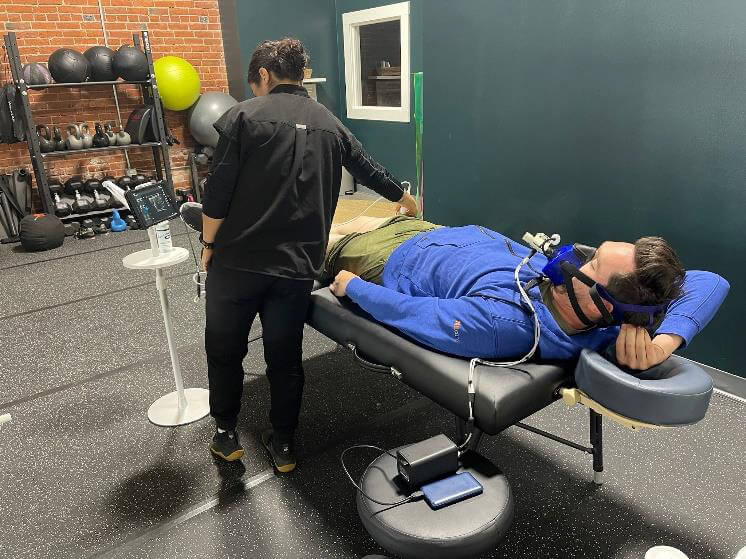
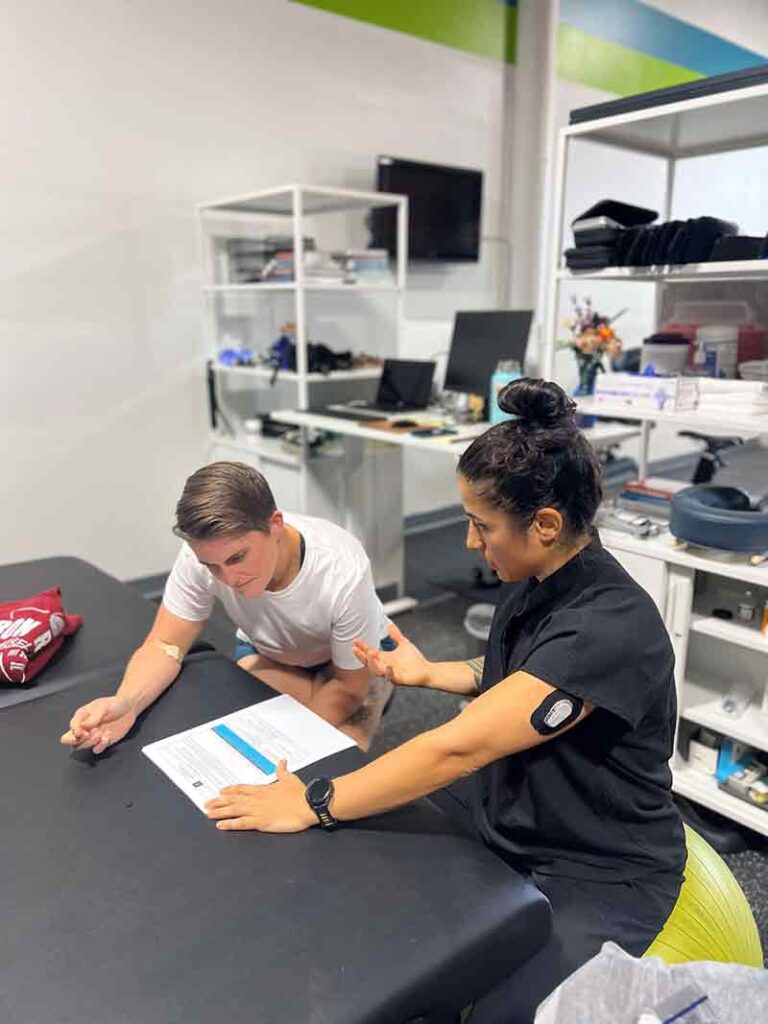
At Physician Coach in Tacoma, our sports performance and metabolic clinic uses Resting Metabolic Rate (RMR) testing, thyroid markers, iron studies, and cortisol patterns to identify underfueling with clinical accuracy.
Let’s break down how each lab marker reveals the truth about your metabolism.
Book Your Appointment
RMR Testing: The Most Reliable Indicator of Underfueling
Your Resting Metabolic Rate (RMR) reflects the calories your body burns at rest. When energy intake is too low, the body begins to suppress metabolism to protect vital systems.
Key Marker: RMR < 90% of predicted = Metabolic Suppression
This is one of the strongest, most consistent patterns seen in Relative Energy Deficiency in Sport (RED-S) and LEA research.
What Low RMR Looks Like in Real Life
Persistent fatigue
Slow recovery
Cold intolerance
Plateaued weight or unexpected weight gain
Difficulty hitting paces, watts, or training volume
At Physician Coach, RMR testing is one of the fastest ways to detect underfueling early and objectively.
Reverse T3: The Thyroid’s “Emergency Brake”
In a well-fueled athlete, the body converts T4 → T3, the active metabolic hormone.
In Low Energy Availability, that system shifts.
The body diverts T4 into reverse T3 (rT3) — a hormone that slows metabolism to conserve energy.
The Low Energy Availibility (LEA) Thyroid Pattern
Normal TSH
Low or low-normal T3
High reverse T3
This is not traditional hypothyroidism — it is adaptive thyroid suppression, extremely common in endurance athletes, runners, and overtrained lifters.
Iron & Ferritin: The Missing Link in Athletic Recovery
Iron is essential for:
Oxygen delivery
Hemoglobin production
Mitochondrial function
Aerobic capacity and endurance
Underfueling disrupts iron metabolism through:
Low carb intake → ↑ IL-6 → ↑ hepcidin → blocked iron absorption
Inconsistent intake → low iron stores
Chronic stress → iron shifts from blood into tissues
Markers We Look For
Ferritin < 30–50 ng/mL (athlete reference range)
Low serum iron
High TIBC
Low transferrin saturation
You can “feel anemic” long before hemoglobin drops.
Cortisol: The Body’s Stress Warning System
Cortisol rises when the body is under metabolic, emotional, or training stress — and underfueling is one of the strongest triggers.
LEA Cortisol Profiles
High or high-normal AM cortisol
Poor PM decline (stays elevated)
Flattened diurnal curve on saliva testing
These patterns often present as:
Poor sleep
Anxiety or restlessness
“Tired but wired” sensation
Slow recovery
Low HRV
Higher resting heart rate
When These Markers Align: A Clear Picture of Underfueling
A metabolic suppression pattern becomes unmistakably clear when you see:
RMR < 90% predicted
High rT3 + low T3
Low ferritin / low iron saturation
Elevated cortisol
This biochemical fingerprint is widely used in RED-S research to identify athletes at risk.
Why It Matters: The Cost of Training in an Underfueled State
Without proper energy availability, athletes experience:
Hormonal dysfunction
Thyroid suppression
Loss of menstrual cycle
Stress fractures
Decreased VO₂ max
Chronic injuries
Declining performance
Slow recovery
Increased illness frequency
The good news?
Most athletes feel significantly better within 4–8 weeks once fueling is restored.
How We Diagnose & Treat Underfueling at Physician Coach (Tacoma)
Our integrated sports medicine + performance model includes:
RMR testing
Full thyroid evaluation (T3, T4, rT3, TSH)
Complete iron & ferritin panel
Cortisol testing
Performance data (VO₂ max, lactate, thresholds)
Menstrual & hormonal health evaluation
Personalized fueling strategies based on training load
If you think you may be underfueling, we can help you rebuild your metabolism and train stronger.
Our goal: restore your metabolism, eliminate fatigue, and improve performance so you can train harder — and recover better.
📍 Tacoma, WA
🏥 Physician Coach – Sports Medicine & Metabolic Performance
🔗 www.yourphysiciancoach.com