How I Use High-Carb Fueling in Hybrid Training
Diaries of a Physician Athlete
dr. audrey falconi, do, RMSK
If you lift weights, do metabolic conditioning, and also care about your endurance—but feel wiped out, under-fueled, or stuck despite training hard—YOU ARE NOT ALONE.
A lot of people are training in a way that blends strength and cardio, even if they’ve never called it hybrid training. It shows up in group fitness classes, CrossFit-style workouts, weekend endurance efforts layered on top of lifting, and adults who just want to stay strong and fit as they age. The goal isn’t to be only strong or only fast—it’s to be capable across the board.
That style of training has exploded in popularity over the past decade because it reflects how people actually want to train and live. But fueling it? That’s where things tend to fall apart.
Hybrid athletes don’t struggle with fueling because carbohydrates don’t work. They struggle because carbs have spent years being labeled as unnecessary, fattening, or something to avoid—especially in strength, aesthetics, or fat-loss spaces. At the same time, most nutrition advice is pulled from either endurance sports or traditional strength training, not from programs that combine heavy lifting, fast conditioning, and sustained effort.
That leaves people guessing:
- How much should I eat?
- When should I eat?
- Why do I still feel flat when I’m “doing everything right”?
Fueling well for hybrid training isn’t about eating more—it’s about fueling appropriately so you can train better, recover faster, and make progress without constantly feeling run down.
In this article, I’ll break down how I fuel lifting days, short hard conditioning sessions, and longer endurance work—and why each requires a different carbohydrate strategy.
I’ll walk through how I apply high-carbohydrate fueling in my own hybrid training—using basic physiology, borrowing what endurance research does well, and adapting it to the real demands of multi-intensity training.
By the end, you’ll understand why carbohydrates matter for hybrid training—and how to use them in a practical way, without overthinking or extreme nutrition rules.

The Framework:
Why Hybrid Athletes Need a Carb Plan
The core principle I work from is simple: Carbohydrate needs scale with how hard and how much you train—not just with the label of the workout.
In other words, carbs aren’t something you “earn” only on long endurance days. They’re fuel for work that is intense, dense, and demanding—no matter what the workout is called.
Carbohydrate needs increase as any of the following increase:
- Effort: how hard the work is (intensity matters)
- Muscle mass involved: how much of the body is working at once
- Training density: how much work is packed into a single session or week
Hybrid training checks all three boxes—often at the same time.
Most hybrid programs involve:
- Large amounts of muscle mass working simultaneously
- Frequent moderate-to-hard efforts (think Zone 3 through Zone 5)
- Repeated stress layered across the week, not just one “big day”
When those factors are combined, fuel availability becomes a limiting factor.
In many cases, performance doesn’t drop because of a lack of strength, fitness, or discipline—it drops because fueling runs low. Workouts start to feel flat. Conditioning stalls. Recovery stretches longer than it should.
That’s why hybrid athletes don’t need more grit or more willpower.
They need a carbohydrate plan that actually matches the demands they’re placing on their body.
How I Apply High-Carb Fueling Across Hybrid Training
Once you understand that carbohydrate needs scale with effort, muscle mass, and training density, the application becomes surprisingly straightforward.
I don’t fuel every session the same way. Instead, I match carbohydrate intake to what the workout is actually demanding from my body.
Here’s how that looks in practice.
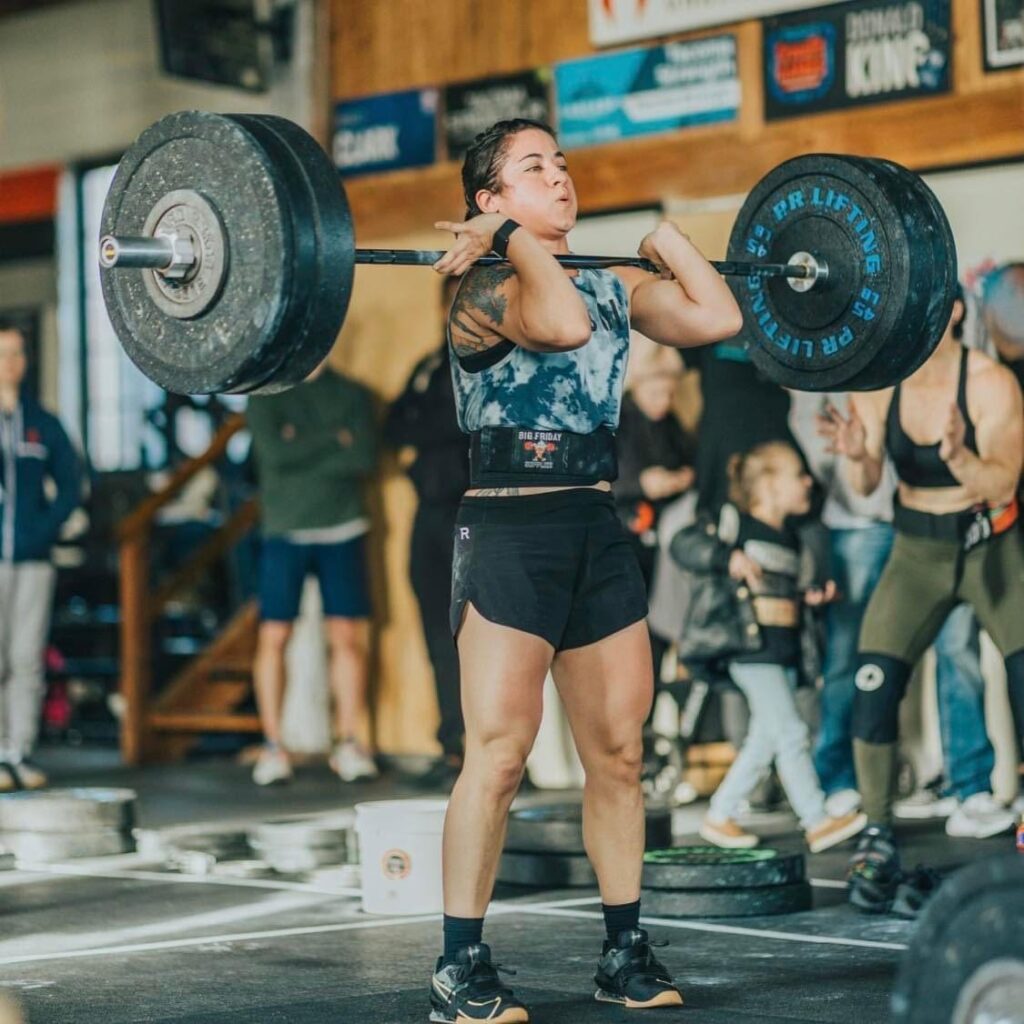
Primarily Lifting Days
Goal: keep strength output high without unnecessary fueling
These are not zero-carb days—but they also don’t require endurance-level fueling.
Heavy strength training carries a real metabolic cost, especially when intent is high and rest is controlled. That said, the demand is modest compared to conditioning or endurance work.
What I do:
~20g of carbohydrates, taken in liquid form during training
Why This Works:
- Supports neural drive and force production
- Helps maintain bar speed across working sets
- Improves recovery heading into harder conditioning or endurance sessions later in the week
This is supportive fueling, not performance theater—just enough carbohydrate to cover the cost of high-quality strength work without overdoing it.
20–40 Minute Conditioning Sessions (Moderate–Hard Effort)
Goal: support high power output and drive training adaptation
This is where many hybrid athletes underfuel—simply because the sessions are “short.”
Physiologically, though, these workouts are demanding:
- High reliance on carbohydrates
- Elevated stress hormone response
- Rapid muscle glycogen depletion
Short duration does not mean low fuel cost.
What I do:
30-40 g of total carbohydrates, delivered as a glucose/fructose mix to improve absorption
Why This Works:
- Matches fuel availability to metabolic demand
- Supports repeated high-power efforts
- Improves adaptation instead of just getting through the workout
There are no fat-oxidation benefits to underfueling this type of work. If the goal is progress—not survival—carbohydrates need to be available.

Longer Endurance Sessions (60+ Minutes)
Goal: improve performance and train the body to use carbohydrates effectively during exercise
This is where nuance matters most.
Rather than pulling back on carbs to “protect fat burning,” I use these sessions strategically to:
- Maintain output
- Speed recovery
- Improve carbohydrate oxidation capacity (the ability to use carbs efficiently during work). Yes, we can train our gut to absorb and utilize more carbs during exercise which IMPROVES our performance!
What I do:
- 20 g liquid carbohydrates
- 40 g carbohydrate gel (repeated every 20–30 minutes)
Why This Works:
- High carbohydrate availability improves durability and recovery
- Repeated exposure trains the gut and oxidation pathways
- Relative effort—not pace—drives carbohydrate demand
These aren’t just endurance sessions. They’re metabolic training.

Addressing the Common Concern
“Won’t This Hurt Fat Oxidation?”
This is where many hybrid athletes get stuck in outdated thinking.
- Fat oxidation is primarily a training adaptation, driven by volume and consistency not fueling strategies.
- Strategic carbohydrate intake during demanding sessions does not erase aerobic adaptations
- Chronic underfueling does impair recovery, hormonal health, and long-term progress
How can we be so sure? Because we have tested it! High carb fueling has led to IMPROVED fat oxidation during my metabolic testing!
High-Carb Fueling is Not…
- Being elite
- Racing every session
- Consuming fuel mindlessly
It Is About…
- Matching fuel to effort
- Supporting recovery so training can stay consistent
- Building strength, endurance, and longevity at the same time
This is applied fueling—designed to support how hybrid athletes actually train, not how nutrition rules say they should.